
Request a Free Estimate!
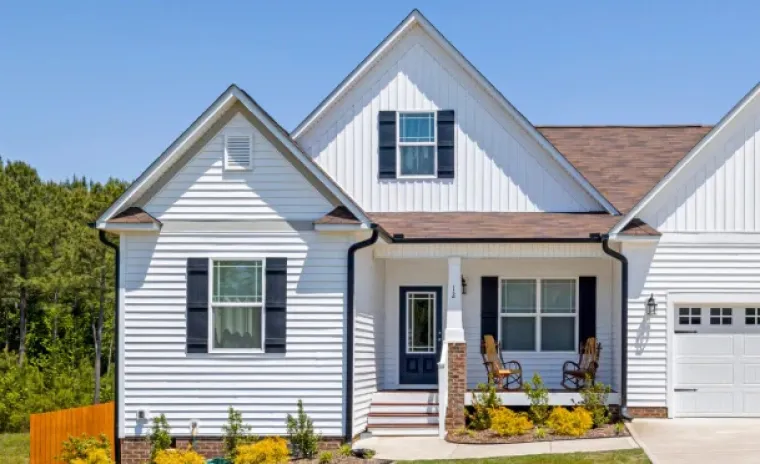
Why Property Valuations Matter for Homeowners
Understanding the value of your residential property is essential for making informed financial decisions. Whether you are refinancing your mortgage, settling an estate, or preparing to sell, knowing your property’s worth provides clarity and confidence.
In New Jersey, market conditions can shift based on seasonal patterns and local economic factors. Many homeowners in communities throughout Warren County and surrounding areas experience fluctuations in property values influenced by school district ratings, proximity to major highways like Route 46 and Interstate 80, and neighborhood development trends.
An appraisal delivers an objective assessment based on current market data, comparable sales, and the unique characteristics of your residence. This information proves invaluable when negotiating with lenders, planning for tax appeals, or determining equity for divorce settlements. Professional appraisals offer documented evidence that supports major financial transactions and legal proceedings.
Steps to Take Before the Appraiser Arrives
Preparation plays a crucial role in ensuring your property presents its true value during the assessment process. While appraisers follow standardized methods, a well-maintained and accessible residence allows for a thorough evaluation of all features and improvements.
Begin by gathering documentation of any renovations, additions, or upgrades completed since you purchased the property. Receipts for major improvements such as roof replacements, HVAC system installations, kitchen remodels, or finished basements demonstrate investment in the residence. These records help the appraiser account for enhancements that may not be immediately visible.
Ensure all areas of the property are accessible, including the attic, basement, garage, and any outbuildings. Clean and organize these spaces so the appraiser can accurately measure square footage and assess structural elements. Remove clutter from rooms to facilitate measurement and photography.
Address minor maintenance issues that could negatively impact perception. Fix leaky faucets, replace burned-out light bulbs, repair loose handrails, and touch up paint where needed. While cosmetic details do not drastically alter valuation, they contribute to the overall impression of property care.
Compile a list of recent sales of comparable properties in your neighborhood if you have this information. While appraisers conduct their own market research, being aware of local trends helps you understand the context of the final valuation.
What Happens During a Professional Evaluation
The assessment process follows a systematic approach designed to produce an objective and defensible valuation. Understanding what to expect reduces anxiety and helps you participate effectively in the evaluation.
The appraiser begins with an exterior inspection, examining the overall condition of the structure, roofing materials, siding, windows, and foundation. They note the lot size, landscaping, driveway condition, and any exterior features such as decks, patios, or sheds. Photographs document the property’s street appeal and exterior characteristics.
During the interior inspection, the appraiser measures each room to calculate total living area. They observe the layout, number of bedrooms and bathrooms, flooring types, ceiling heights, and the condition of major systems including heating, cooling, plumbing, and electrical. Special features such as fireplaces, built-in cabinetry, or upgraded appliances receive attention.
The appraiser evaluates the quality of construction and finishes, noting whether materials and workmanship align with neighborhood standards. They assess the functional utility of the floor plan and identify any deferred maintenance or needed repairs that could affect value.
After the site visit, the appraiser researches recent sales of similar properties in the area. They analyze these comparables, making adjustments for differences in size, condition, location, and features. This comparative market analysis forms the foundation of the final valuation.
The completed report includes detailed descriptions, photographs, floor plans, and the appraiser’s reasoning for the concluded value. This comprehensive document serves as a reliable reference for lenders, attorneys, tax authorities, and other parties requiring verified property information.
Factors That Can Complicate Property Assessments
Certain property characteristics and market conditions present challenges that require specialized appraisal expertise. Recognizing these factors helps you understand potential valuation complexities and set realistic expectations.
Unique or custom properties with features uncommon in the local market can be difficult to value due to limited comparable sales. Residences with extensive custom woodwork, specialty architectural styles, or unusual layouts may require appraisers to expand their search area or adjust comparables more extensively.
Properties located in transitional neighborhoods, where values are rapidly changing, require careful analysis of sale dates and market trends. An appraiser must determine whether recent sales reflect current conditions or represent outdated pricing.
Rural properties with large acreage, mixed-use characteristics, or agricultural components demand expertise in valuing land separately from improvements. The appraiser must consider highest and best use, zoning restrictions, and market demand for similar parcels.
Residences affected by external factors such as highway noise, proximity to commercial zones, or environmental concerns require adjustments that account for marketability impacts. Appraisers rely on paired sales analysis and market interviews to quantify these influences.
Older homes with historical significance, grandfathered non-conforming uses, or deferred maintenance present valuation challenges. The appraiser must balance the property’s condition with its location desirability and potential for renovation.
When you work with experienced appraisal professionals who understand local market nuances, these challenges become manageable. Their knowledge of regional sales patterns and property characteristics ensures accurate valuations even in complex situations.
Why Choose Qualified Appraisal Professionals
Selecting the right appraisal professional ensures you receive accurate, defensible valuations that meet your specific needs. Whether you require services for mortgage refinancing, estate settlement, divorce proceedings, or tax appeals, qualified professionals deliver the detailed analysis and documentation necessary for your situation.
Certified appraisers maintain current knowledge of local market conditions through ongoing research and professional education. They understand the specific factors that influence property values in different neighborhoods and can identify trends that affect your residence. This local expertise proves particularly valuable in areas with diverse housing stock and varying market dynamics.
Professional appraisers follow the Uniform Standards of Professional Appraisal Practice, ensuring consistency, objectivity, and ethical conduct throughout the valuation process. Their reports withstand scrutiny from lenders, courts, tax authorities, and other parties relying on the conclusions.
When you need reliable property valuations in northern New Jersey, 414 Zone Appraisals provides the professional services required for your financial and legal transactions. Our team understands the unique characteristics of residential properties throughout Warren, Morris, Sussex, and Hunterdon counties. We deliver thorough assessments that account for local market conditions, seasonal patterns, and the specific features that make your property unique. From standard residential appraisals to specialized valuations for estate planning and divorce settlements, we provide the detailed analysis and clear documentation you need to make confident decisions.
Understanding the appraisal process and preparing appropriately helps ensure you receive an accurate reflection of your property’s value. By working with qualified professionals who prioritize thoroughness and precision, you gain the reliable information necessary for your most important financial decisions. Whether you are refinancing, selling, or resolving legal matters, a properly conducted appraisal serves as the foundation for successful outcomes.
